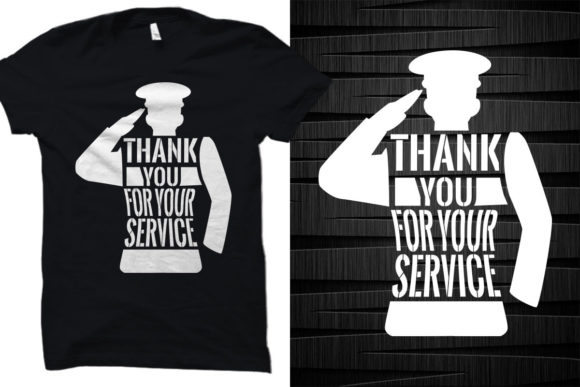
Thank You for Your Service
A Designer’s First Look: Clean, Respectful, and Ready to Stitch
When I opened Thank You for Your Service for the first time, I wasn’t scanning for flash or trendiness—I was checking for intention. Does it feel grounded? Does it translate beyond screen to stitch? The answer is yes. It’s a balanced, centered composition with clear typography and subtle patriotic accents—no overwrought eagles or cluttered stars. The layout breathes: generous spacing between letters, consistent stroke weight, and a gentle visual rhythm that suggests dignity without stiffness. This isn’t just a phrase—it’s a gesture. And gestures matter most when they’re stitched by hand or machine onto something real.
Real Project Test: A Small-Batch Embroidered Tote for a Veteran Support Group
Last week, I used Thank You for Your Service on a natural canvas tote bag for a local veteran outreach nonprofit. We chose medium-weight cotton canvas, medium tear-away stabilizer, and navy thread on off-white fabric. The result? Crisp, legible, and quietly powerful. No puckering. No skipped stitches—even through the slight texture of the weave. What stood out wasn’t just technical accuracy, but emotional resonance: recipients paused, touched the embroidery, and said, “It feels like it was made *for* someone.” That’s the mark of a design that works—not just as a graphic, but as a finished product with presence.
Where It Shines (and Where to Pause)
Thank You for Your Service performs especially well on:
- Custom apparel: Sweatshirts, crewnecks, and structured tees hold the lettering cleanly—especially with proper cutaway stabilizer underneath.
- Tote bag design and apron embroidery: Its horizontal emphasis and moderate height (roughly 3–4 inches wide) scale beautifully across flat, stable surfaces.
- Embroidered patch applications: The clean edges and minimal internal detail make it ideal for sew-on or iron-on patches—no risk of dense fill stitches bleeding or flattening.
- Holiday embroidery and wedding gifts: Paired with simple monograms or small floral flourishes, it adds sincerity without competing visually.
- Craft business and Etsy seller use: As a digital embroidery file, its “100 Editable” claim means you can adjust size, color order, or even add a small branch motif—without breaking alignment or legibility.
But—and this is where experience kicks in—Thank You for Your Service needs thoughtful placement on:
- Curved surfaces like caps or beanies: Letter spacing tightens under tension; test stitch on a cap blank first.
- Thin or stretchy fabric (e.g., baby onesies or lightweight knits): Use lightweight cutaway + topping, and reduce stitch density if your machine allows—those satin-stitched letter edges can pull on delicate weaves.
- Dark fabric: While the design is print-ready, always preview your thread colors in black-and-white mockups—some lighter grays or creams may lack contrast on navy or charcoal.
- Small hoop sizes (under 4" x 4"): The full phrase may require repositioning or minor scaling. Check whether your version includes alternate layouts (e.g., stacked or arched) before hooping.
What It Adds to Your Handmade Product—Beyond the Stitch
This isn’t just another machine embroidery design. It carries weight—literally and emotionally. When stitched onto a kitchen towel for a military family’s housewarming gift, it signals care. On a baby blanket for a service member’s newborn? It says continuity, legacy, quiet pride. That kind of resonance lifts perceived value—and helps your handmade product stand apart in a crowded Etsy listing or craft fair booth.
For small shop product branding, Thank You for Your Service pairs naturally with neutral tones and minimalist packaging. It doesn’t shout—it invites reflection. And that builds trust: customers recognize authenticity when they see it stitched with clarity and respect.
Practical Embroidery Designer Notes
Before you load Thank You for Your Service into your machine or list it as part of your digital embroidery file shop:
- Test on scrap fabric first—same type and weight as your final project.
- Check thread color contrast across light and dark backgrounds using printable mockups.
- Review stitch density: If your version includes fill-stitch elements (e.g., small stars or banners), ensure they won’t overwhelm lightweight fabrics.
- Confirm hoop size compatibility—especially if adapting for embroidered patch or cap embroidery.
- Inspect small details like serifs or terminal curves—they’re often where stitching fidelity breaks down.
- Use proper stabilizer: Medium cutaway for knits, tear-away for stable wovens, and topping for napped or textured surfaces.
- Verify licensing: Since this is marketed as a T-Shirt Design and Graphics file, confirm whether commercial use (e.g., selling finished embroidered sweatshirts) is permitted—don’t assume.
Final Thought: A Design That Earns Its Place
Thank You for Your Service doesn’t try to be everything. It’s focused. Respectful. Built for real cloth, real machines, and real people who want to say something meaningful—without noise. Whether you’re an apparel decorator building a boutique collection, an Etsy seller curating heartfelt gifts, or a creative entrepreneur launching a veteran-themed line, this design earns its spot in your workflow—not because it’s trendy, but because it stitches true.