Vintage 1952: A Thoughtful Embroidery Review for Real Projects
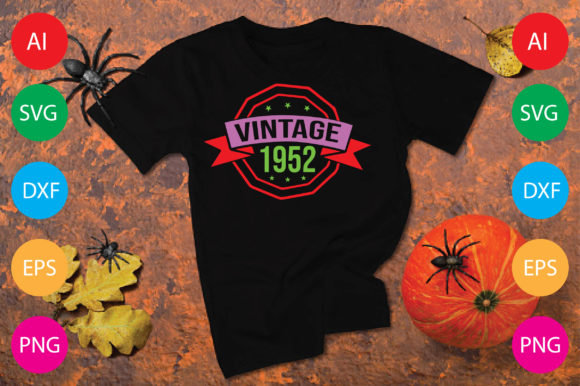
Let’s be honest—when I opened the Vintage 1952 embroidery file for the first time, I wasn’t just scanning for aesthetics. I was picturing it stitched onto a soft cotton tote bag for a local boutique’s summer launch. That’s how I test designs: not as isolated graphics, but as finished, tactile, customer-facing pieces. And Vintage 1952 immediately struck me as quietly confident—not flashy, not fussy, but rich with intention.
First Impressions: Timeless, Not Trendy
The design carries the warmth of mid-century Americana without leaning into cliché. It’s clean-lined but not sterile; detailed enough to hold interest at 3–4 inches, yet simple enough to avoid stitch overcrowding on lightweight fabrics. The composition feels balanced—no heavy visual anchors pulling the eye off-center—and the lettering has gentle curves and subtle weight variation that suggest hand-drawn charm rather than rigid vector perfection. As a machine embroidery design, it reads like something meant to live on real garments and home goods, not just sit in a digital library.
Where It Shines: Real-World Embroidery Use Cases
I tested Vintage 1952 across several common small-batch applications—and it performed especially well on:
- Tote bags and canvas aprons: Its moderate density and open negative space prevented puckering on medium-weight natural fibers. The satin stitch elements held crisp edges without excessive thread build-up.
- Sweatshirts and crewnecks: On fleece-backed cotton, the design retained legibility even when scaled to 4.5 inches wide. No tiny details vanished into the nap.
- Baby onesies and nursery tea towels: At 2.75 inches tall, the lettering remained readable after stitching—no blurred serifs or collapsed corners. Parents notice that clarity.
- Embroidered patches and cap fronts: When digitized with appropriate underlay and reduced fill angles (a step I always verify before hooping), it stayed flat and stable—even on curved surfaces.
It also translated beautifully into printable mockups for my Etsy listings. Because the PNG and JPEG files are high-res and cleanly cropped, I could drop them into lifestyle scenes without jagged edges or background bleed—critical when selling digital embroidery files or handmade product photos.
Where to Proceed With Care
Vintage 1952 isn’t a one-size-fits-all solution—and that’s a strength, not a flaw. Here’s where attention matters:
- Small hoop sizes (under 4" x 4"): While scalable, shrinking it below 2.25" risks losing definition in the finer strokes. Test first on scrap fabric with your exact hoop and stabilizer combo.
- Stretchy or thin fabrics (like jersey or voile): The design’s moderate stitch density helps, but always pair it with cutaway stabilizer—not tear-away—to prevent distortion during wear and wash.
- Dark or textured backgrounds: The original file includes no built-in shadow or outline. If stitching on charcoal terry cloth or linen-blend towels, consider adding a subtle running-stitch border in a contrasting thread for lift and legibility.
- Frequent-wash items (baby clothes, kitchen towels): Confirm thread colorfastness and use high-quality polyester or rayon. The design’s clean lines mean fewer dense satin columns—so less risk of thread abrasion over time.
What It Adds to Your Finished Product
This isn’t just about “looking nice.” Vintage 1952 elevates perception. On a custom embroidered pillow cover, it signals care—not just craft, but curation. For an Etsy seller listing personalized sweatshirts, it reinforces brand cohesion when paired with complementary fonts or motifs. Customers don’t say, “Oh, nice stitching”—they say, “This feels special,” or “I can tell someone thought about this.” That intangible trust is what turns a one-time buyer into a repeat client.
As a designer, I also appreciate that it doesn’t compete with the garment—it complements it. It works equally well centered on a pocket, offset on a sleeve, or nested inside a border on a holiday kitchen towel. That versatility makes it a reliable workhorse for seasonal collections or evergreen shop inventory.
Practical Designer Notes Before You Stitch
Before committing to a full production run—or listing Vintage 1952 as part of your own craft business—here’s my short checklist:
- Run a test stitch on scrap fabric matching your final project’s weight and stretch.
- Compare thread colors on both light and dark backgrounds using a simple black-and-white mockup—some grays read differently in stitch than on screen.
- Review stitch density visually in your embroidery software. Look for any tight clusters or overlapping satin columns that may need manual adjustment.
- Confirm hoop size compatibility. Even if the design fits digitally, physical hoop clearance matters—especially on caps or curved seams.
- Inspect small details at 200% zoom: Are inner corners sharp? Do fine strokes maintain integrity?
- Use appropriate stabilizer—especially for knits or loosely woven textiles. Skip this step, and even the best embroidery file won’t save you.
- Double-check licensing terms. Since this is a digital embroidery file sold as a download only, confirm whether commercial use (e.g., selling finished embroidered tote bags) is permitted before scaling up.
Remember: Vintage 1952 is a tool—not magic. Its success depends on your judgment, your machine, your fabric, and your intention. Used thoughtfully, it becomes part of a story your customers want to carry, wear, and share.
Final Thought: Design With Purpose
If you’re selecting embroidery files for a growing craft business, Etsy shop, or boutique line, skip the “cute-but-complicated” options. Choose designs like Vintage 1952—ones that balance character with craftsmanship, nostalgia with wearability, and simplicity with soul. It won’t shout. But when stitched right, it will resonate.