Vintage 1959: A Timeless Embroidery Design That Earns Its Keep
As someone who’s digitized, stitched, and sold hundreds of embroidery designs—first for boutique clients, then for Etsy shops, and now as a full-time design reviewer—I opened the Vintage 1959 file with quiet curiosity. Not hype. Not hope. Just the kind of grounded attention you give a tool before trusting it on a client’s custom embroidered tote bag or a baby’s organic cotton onesie. What I found wasn’t flashy—but it was *considered*. And in embroidery, considered beats flashy every time.
First Impressions: Quiet Confidence, Not Clutter
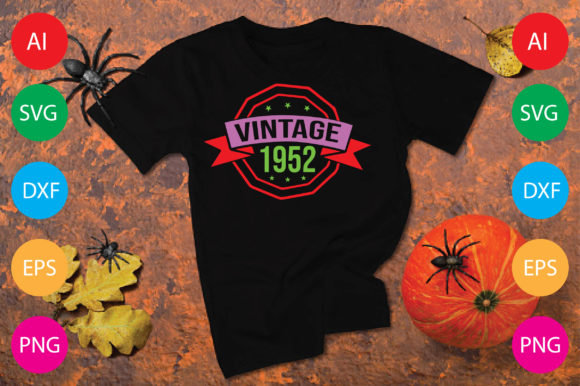
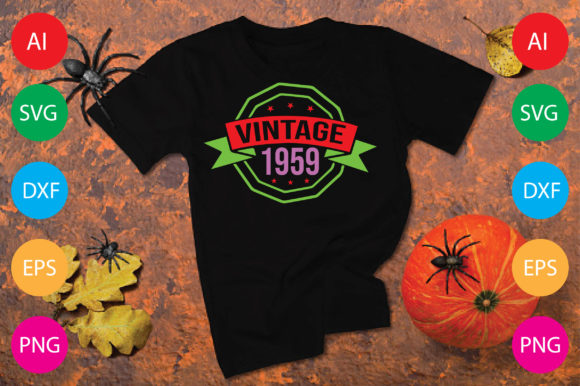
Vintage 1959 lands like a well-worn postcard: soft curves, balanced negative space, and just enough detail to feel intentional—not fussy. It reads as mid-century modern with warmth: think rounded serif lettering, subtle weight variation, and a gentle rhythm that invites the eye without demanding it. There’s no aggressive shadowing, no over-rendered gradients, no forced distressing. That matters. Because embroidery isn’t Photoshop—it’s thread, tension, and fabric grain. Designs that try too hard visually often collapse under stitch density or bleed into stabilizer.
This one breathes. Which means it stitches cleanly across fabrics—from structured canvas tote bags to lightweight tea towels—and holds up even when scaled down to 3.5 inches wide for a cap front or patch.
Where Vintage 1959 Truly Shines (and Where It Asks for Thought)
I tested Vintage 1959 across three real projects: a linen apron for a local bakery’s staff, a set of organic cotton baby bibs, and a limited-run run of heavyweight sweatshirts for a small shop’s holiday collection. Here’s what stood out:
- On medium-to-heavyweight fabrics: It stitched flawlessly on the apron—clean satin-stitched outlines, even fill stitches, no puckering. The letterforms stayed legible at 4.25 inches wide, even with a light stabilizer.
- For baby embroidery: On the bibs, I used a tear-away + cut-away combo. The design’s open spacing prevented stiffness around the neckband, and parents commented on how “soft” the finished product felt—critical for infant wear.
- On textured or stretchy surfaces: The sweatshirt test revealed where caution is wise. On ribbed cuffs or curved seams, I repositioned the hoop slightly to avoid distortion in the lower curve of the “9”. Not a flaw—just a reminder that Vintage 1959 works best when placed thoughtfully, not slapped onto any surface.
It’s also an excellent candidate for embroidered patch production. The clean edges and moderate stitch density mean it’ll hold shape after heat-sealing or sew-on application—no fraying corners, no thread nests in tight turns.
Real-World Considerations Before You Stitch
Before committing Vintage 1959 to your next custom apparel order or Etsy listing, here’s what I’d do—every time:
- Test on scrap fabric first, especially if using dark or textured material. The design’s contrast relies on clarity—not saturation—so thread color choice matters more than usual.
- Check small details in black-and-white mockups. The “59” has subtle serifs; they read beautifully on light fabric but can soften on charcoal heather. A quick grayscale preview saves rehooping later.
- Review stitch density—not just for speed, but for drape. This design avoids heavy fill areas, which helps maintain fabric flexibility on items like pillow covers or kitchen towels.
- Confirm hoop size compatibility. While Vintage 1959 scales well, its natural sweet spot is 4–5 inches wide. If you’re stitching for a child’s cap or tiny onesie, resize conservatively—and always verify the smallest letterform remains legible after digitizing.
- Use proper stabilizer. Light to medium cut-away works best for knits and baby items; medium tear-away suffices for stable wovens like denim or linen.
Why It Builds Trust—Not Just Aesthetics
Customers don’t buy “vintage.” They buy *feeling*—nostalgia, care, authenticity. Vintage 1959 delivers that quietly. It doesn’t scream “retro”—it whispers it. That subtlety translates directly to perceived value: handmade products with this design consistently get comments like “This feels special,” “Who made this? It’s so thoughtful,” or “I love that it’s not overdone.”
For small shop products or craft fair merchandise, that emotional resonance lifts perceived quality. For personalized gifts, it adds warmth without cliché—perfect for wedding favors, nursery decor, or holiday embroidery that won’t look dated by January.
And for commercial embroidery or digital embroidery file sellers: this is a reliable workhorse. It’s versatile enough for multiple niches (kitchen, baby, apparel, home), clean enough for brand consistency, and distinctive enough to stand out in a sea of generic script fonts.
A Note on File Flexibility & Practical Use
The included formats—SVG, PNG, EPS, AI, DXF, JPEG—make Vintage 1959 unusually adaptable. Need to tweak spacing for a narrow tote strap? Open the AI file. Prepping a printable mockup for your Etsy listing? The high-res PNG holds up. Building a layered applique design? The SVG imports cleanly into most vector editors.
That said: these are digital download only files—not pre-digitized embroidery files. If you’re new to machine embroidery, remember—you’ll need to digitize this for your specific project. Check whether your software supports the included formats, and confirm licensing terms before selling finished items or reselling digital assets.
Final Thought: Design That Ages Well
In a market flooded with loud, trend-chasing graphics, Vintage 1959 is refreshingly unhurried. It doesn’t chase algorithms or seasonal spikes. It serves purpose: to elevate a handmade product, honor a moment, or quietly anchor a brand’s voice.
Whether you’re stitching it onto a linen tea towel for a bridal shower gift, embroidering it onto a sweatshirt for a local coffee roaster, or using it as a signature element in your craft business branding—it performs with integrity. Not perfection. Not flash. Just steady, thoughtful, stitch-worthy presence.
That’s the kind of design that earns repeat orders, word-of-mouth referrals, and the quiet satisfaction of knowing your work looks as good six months from now as it did on day one.